The Skills That Will Define Business Development in 2026 & the Leadership Framework Needed to Use Them

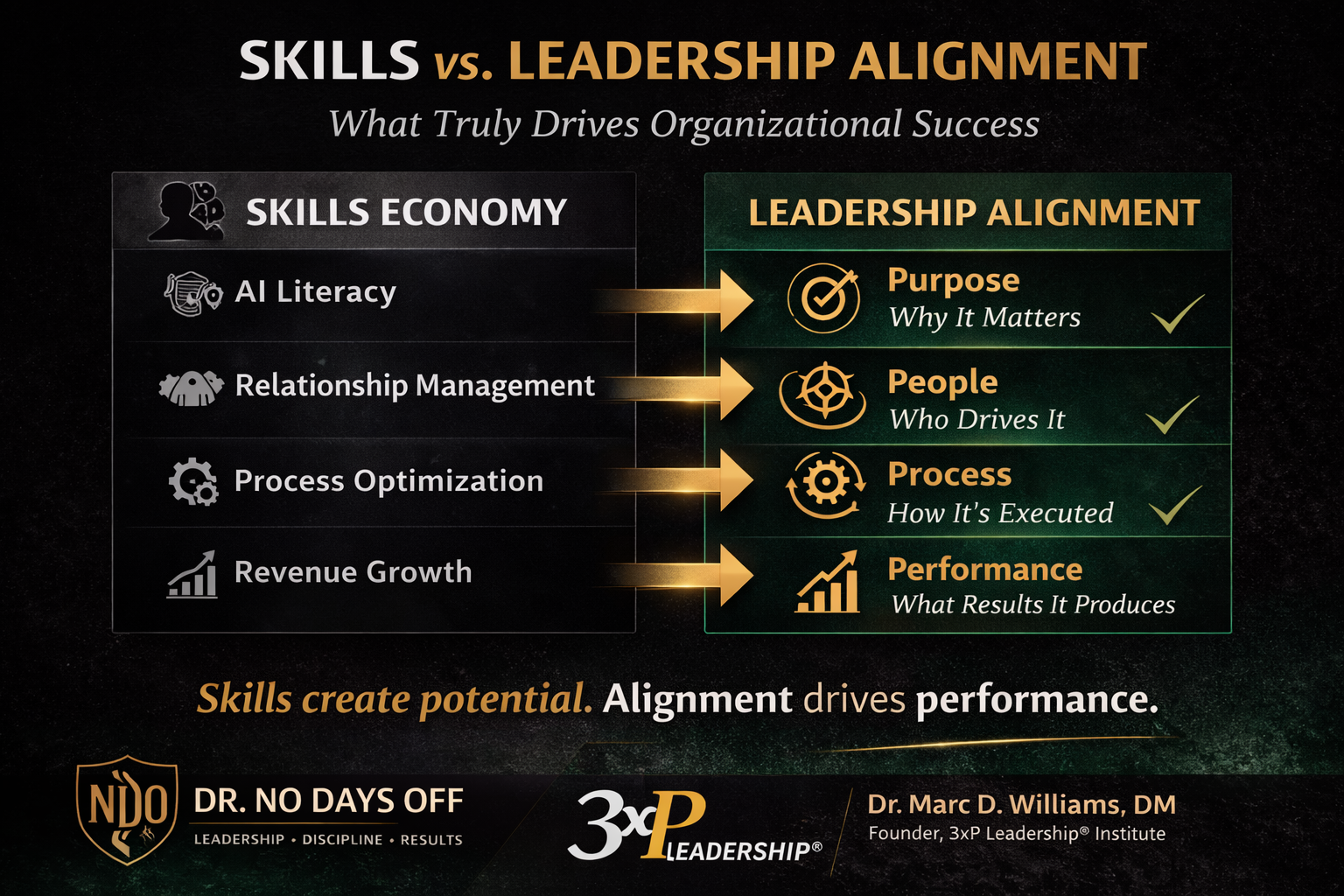
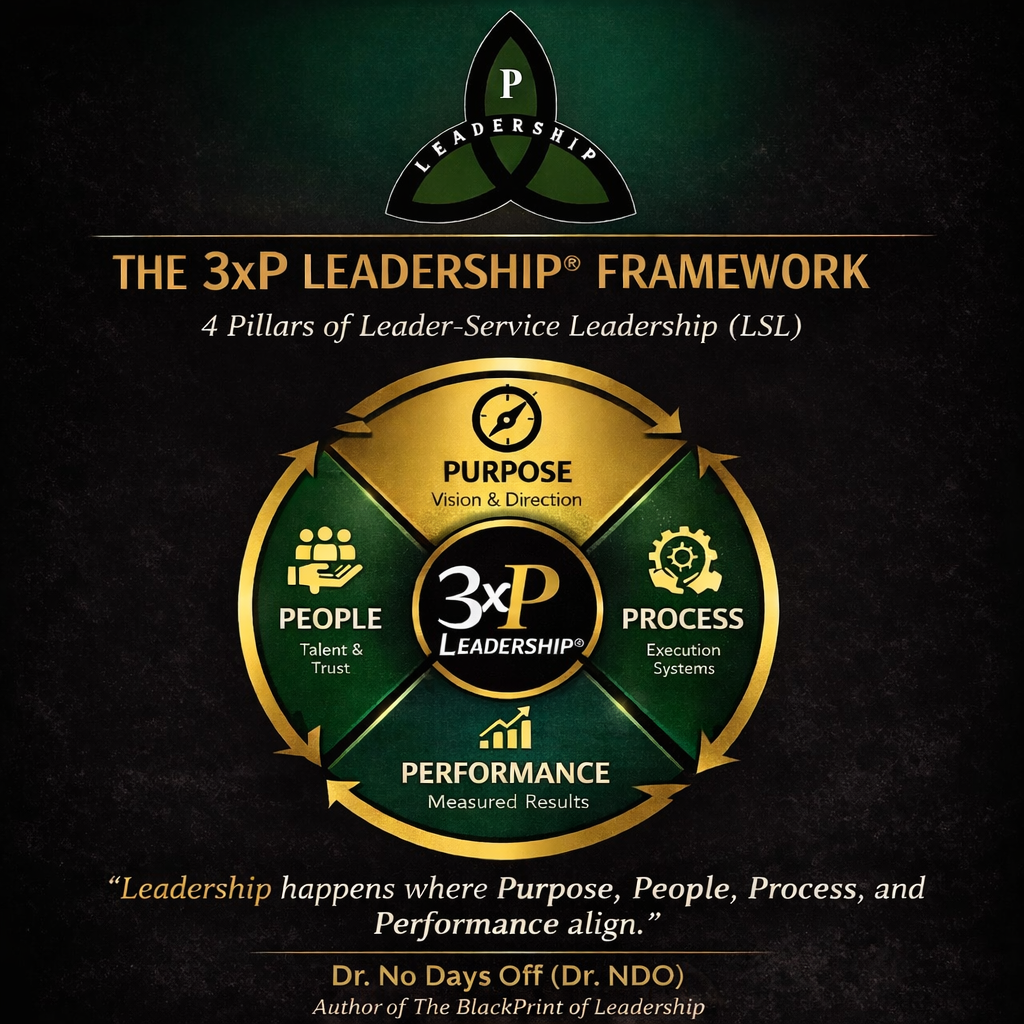
A recent LinkedIn analysis of the fastest-growing business development skills in 2026 highlights capabilities such as process optimization, regulatory compliance, AI literacy, relationship management, and new business growth as essential competencies for modern professionals. These findings reinforce a larger truth: skills alone don’t create impact; leadership alignment does. In a world shaped by AI, global competition, and evolving customer expectations, the leaders who will thrive are those who understand how to align emerging skills with a disciplined leadership framework. That leadership framework is 3xP Leadership™, where Purpose + People + Process = Performance, becomes essential.
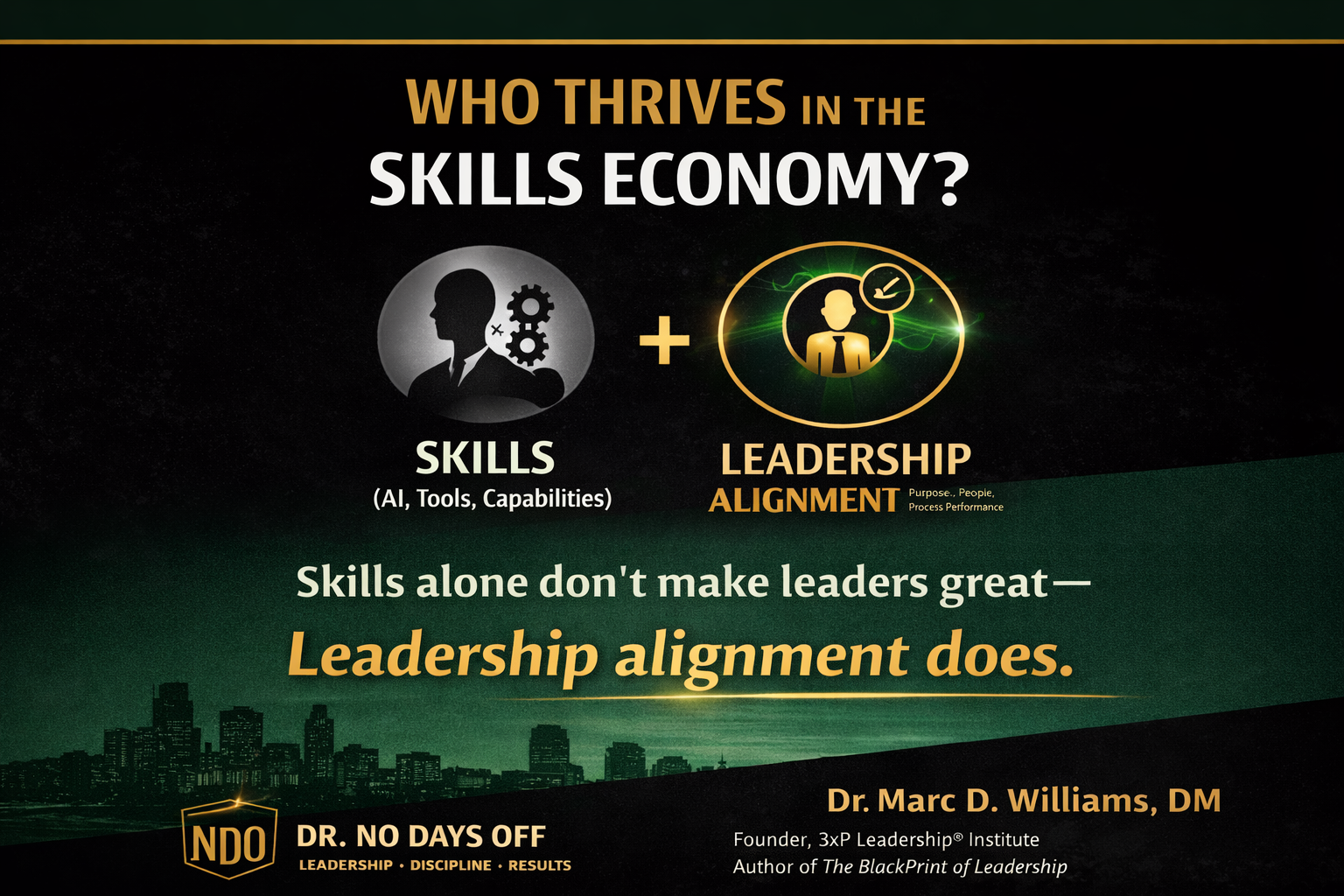
“Skills may open the door to opportunity, but disciplined leadership determines whether that opportunity becomes impact. ”
The Real Challenge: Skills Without Structure
Many organizations are racing to acquire technical competencies like AI literacy and process optimization. Yet too many overlook the deeper question:
How do these skills translate into sustainable leadership and organizational growth?
In my book, The BlackPrint of Leadership, I said: Skills may open the door to opportunity, but disciplined leadership determines whether that opportunity becomes impact. The LinkedIn skills report signals a shift in the business landscape: organizations increasingly value what professionals can do, not just the titles they hold. However, without a clear leadership structure, even the most advanced capabilities can become fragmented or misaligned.

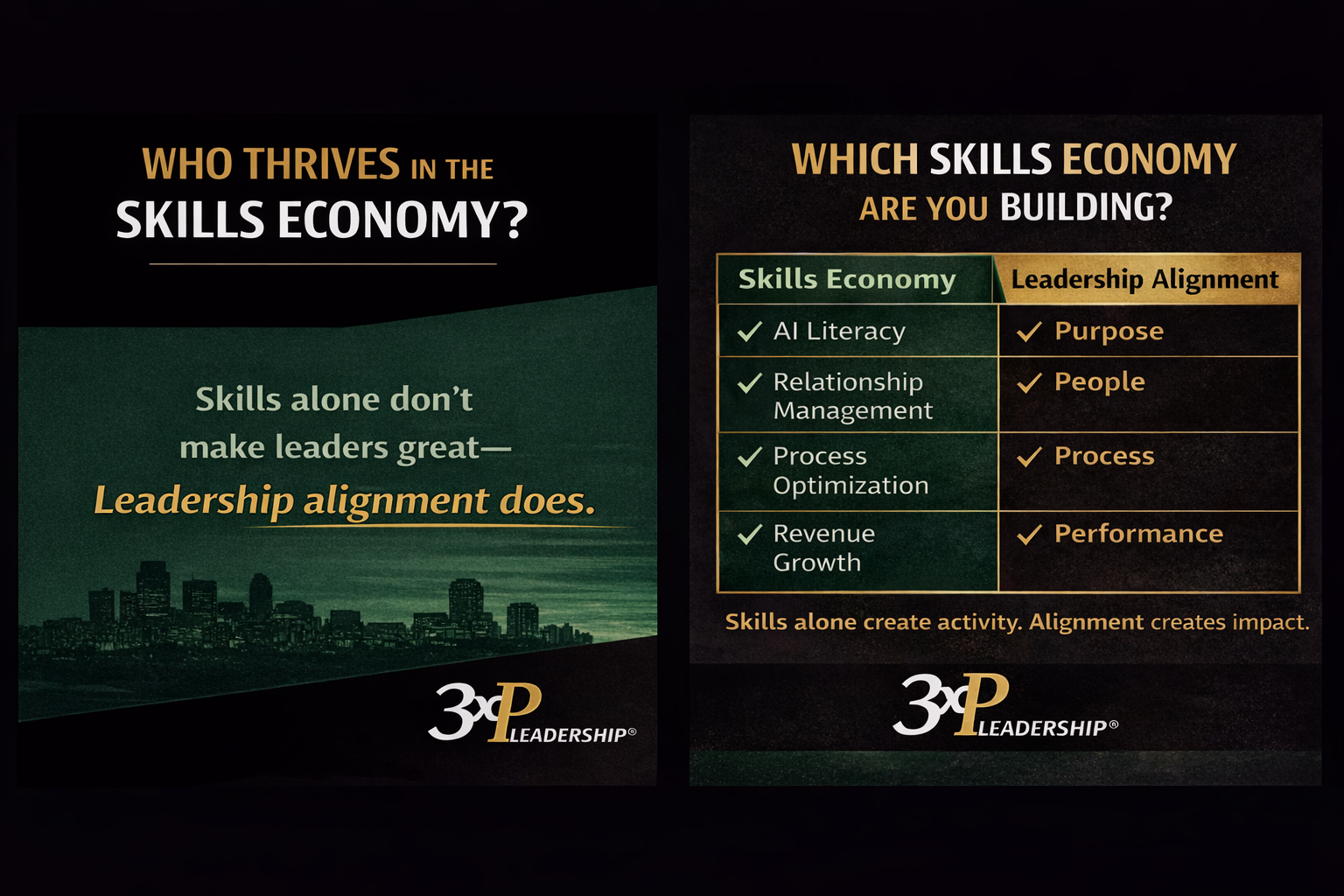
Purpose: Why Skills Must Serve a Larger Mission
Every emerging business development skill must begin with purpose alignment. For example:
AI literacy without purpose becomes automation without strategy.
Relationship management without purpose becomes transactional networking.
Purpose clarifies why a skill matters and where it should be applied. In The BlackPrint of Leadership, I stated: Purpose is the compass of leadership. Without it, even the most talented professionals drift toward activity instead of impact.
When organizations clearly define their mission, new capabilities, whether AI tools or revenue strategies, become instruments of intentional growth.
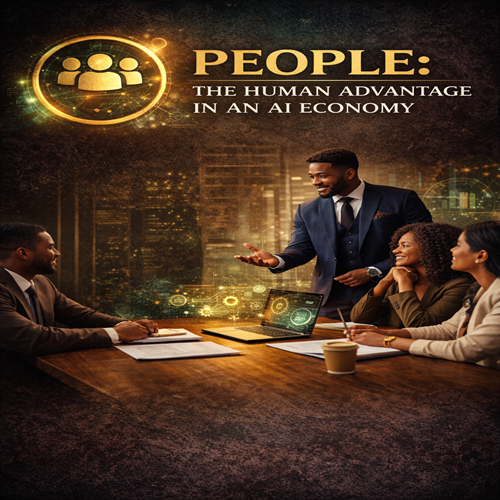
People: The Human Advantage in an AI Economy
One of the most revealing findings from LinkedIn’s research is that relationship management remains one of the fastest-growing skills in business development. That insight reveals something critical: Technology may accelerate business, but people still sustain it. Strong leaders recognize that AI tools, analytics platforms, and automation systems do not replace human relationships; they amplify them. This is why empowering teams remains central to the People pillar of 3xP Leadership®.
As I wrote in The BlackPrint of Leadership, Organizations grow when people feel valued, trusted, and equipped to lead within their roles. Leaders who invest in human capability will always outperform those who rely solely on technology.
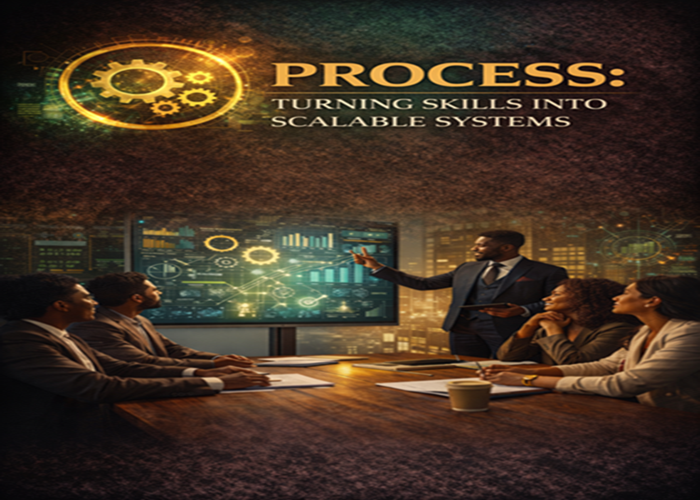
Process: Turning Skills into Scalable Systems
Process optimization ranking among the fastest-growing skills is no surprise. Modern organizations are under constant pressure to deliver speed, efficiency, and consistency. Yet processes must do more than streamline operations; they must translate strategy into repeatable action.
In 3xP Leadership®, process represents the discipline that ensures great ideas become sustainable results. As The BlackPrint of Leadership explains, Process is where intention becomes execution and vision becomes reality. Without process discipline, new skills often produce short bursts of success but fail to generate long-term performance.
Performance: Measuring What Actually Matters
The final pillar, performance, answers the ultimate leadership question: Are these new skills creating measurable impact? Business development isn’t simply about activity. It’s about results. The LinkedIn report highlights skills tied directly to revenue expansion, market growth, and strategic partnerships. These capabilities must translate into outcomes like:
Sustainable revenue growth | Strategic market expansion | Long-term customer relationships |Organizational resilience
The Leadership Advantage in a Skills Economy
The future of business development will not be determined solely by the tools professionals learn or the technologies organizations adopt. It will be determined by how effectively leaders align skills with purpose, empower people, design disciplined processes, and deliver measurable performance. The professionals who master these principles will not simply adapt to the future of work. They shape it. Leadership isn’t about keeping up with the next trend; it should be about building the structure that turns capability into lasting impact. In an era defined by rapid change, that structure matters more than ever.
“Leadership isn’t measured by activity or intention. It’s measured by the performance it produces.”